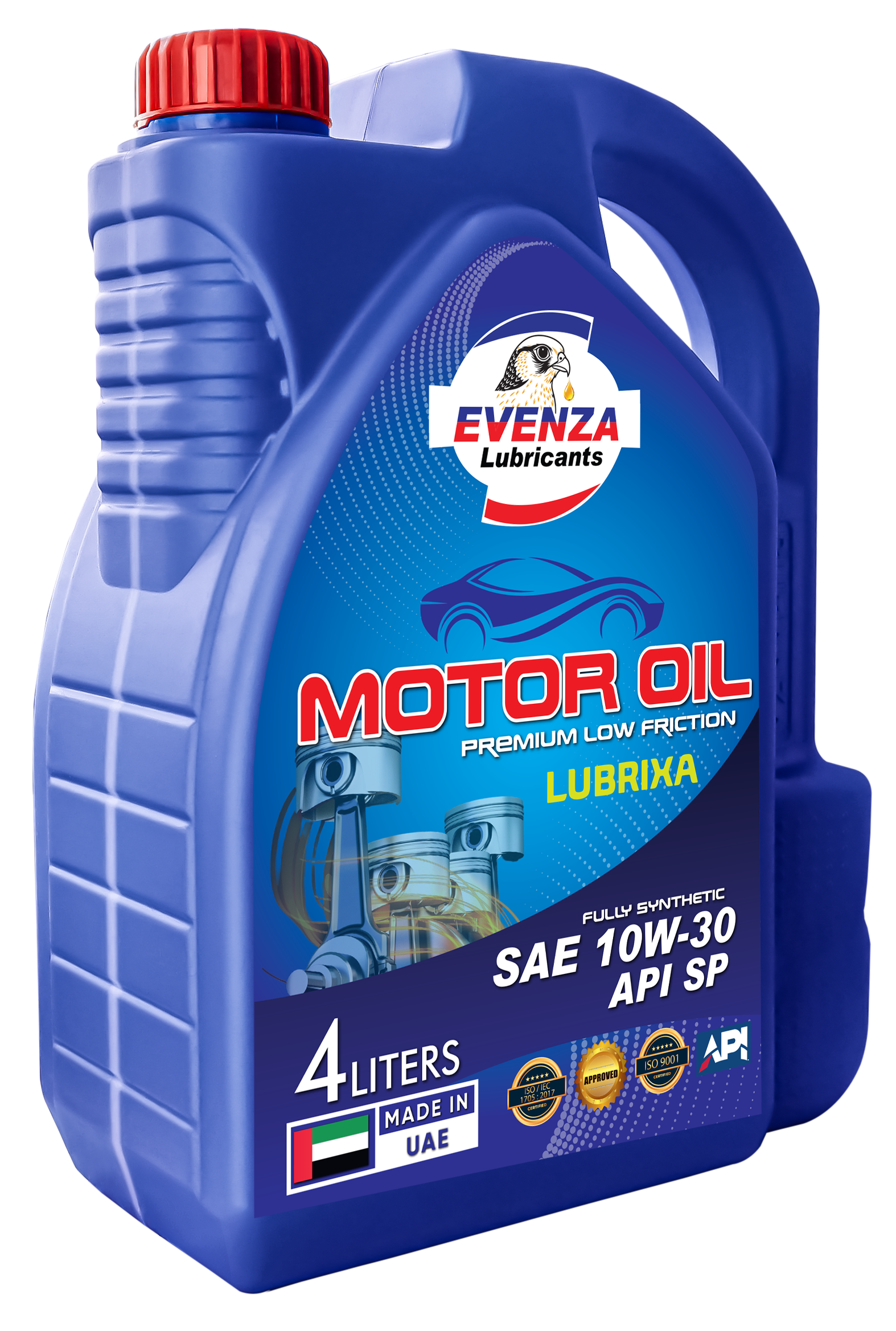
Fully Synthetic Motor Oil SAE 10W-30
Product Description
It offers excellent engine cleanliness, wear protection, and smooth performance for both modern and older gasoline engines. The 10W rating ensures good cold-start flow in moderate climates, allowing quick lubrication during engine startup, while the 30-grade viscosity maintains a strong protective oil film at normal operating temperatures. This balance helps reduce engine wear, friction, and heat buildup.
Key Benefits
Resists thermal breakdown under hot engine conditions.
Reduces oil thickening and prevents sludge or varnish formation.
Protects turbochargers and high-load engines.
Lower viscosity at operating temperature reduces engine friction.
Helps optimize fuel economy in older and modern vehicles.
Detergents and dispersants keep combustion byproducts suspended.
Minimizes carbon deposits, sludge, and varnish on engine parts.
Applications
Gasoline engines – most standard passenger cars and SUVs.
Diesel engines – light-duty diesel vehicles (some formulations may be diesel-specific).
Turbocharged engines – where moderate high-temp protection is needed.
Older and high-mileage engines – thicker viscosity at operating temperature helps reduce oil consumption and maintain pressure.
Passenger Cars: Compact, mid-size, and full-size vehicles with gasoline engines.
Light Trucks & SUVs: Vehicles requiring SAE 10W‑30 as per OEM manual.
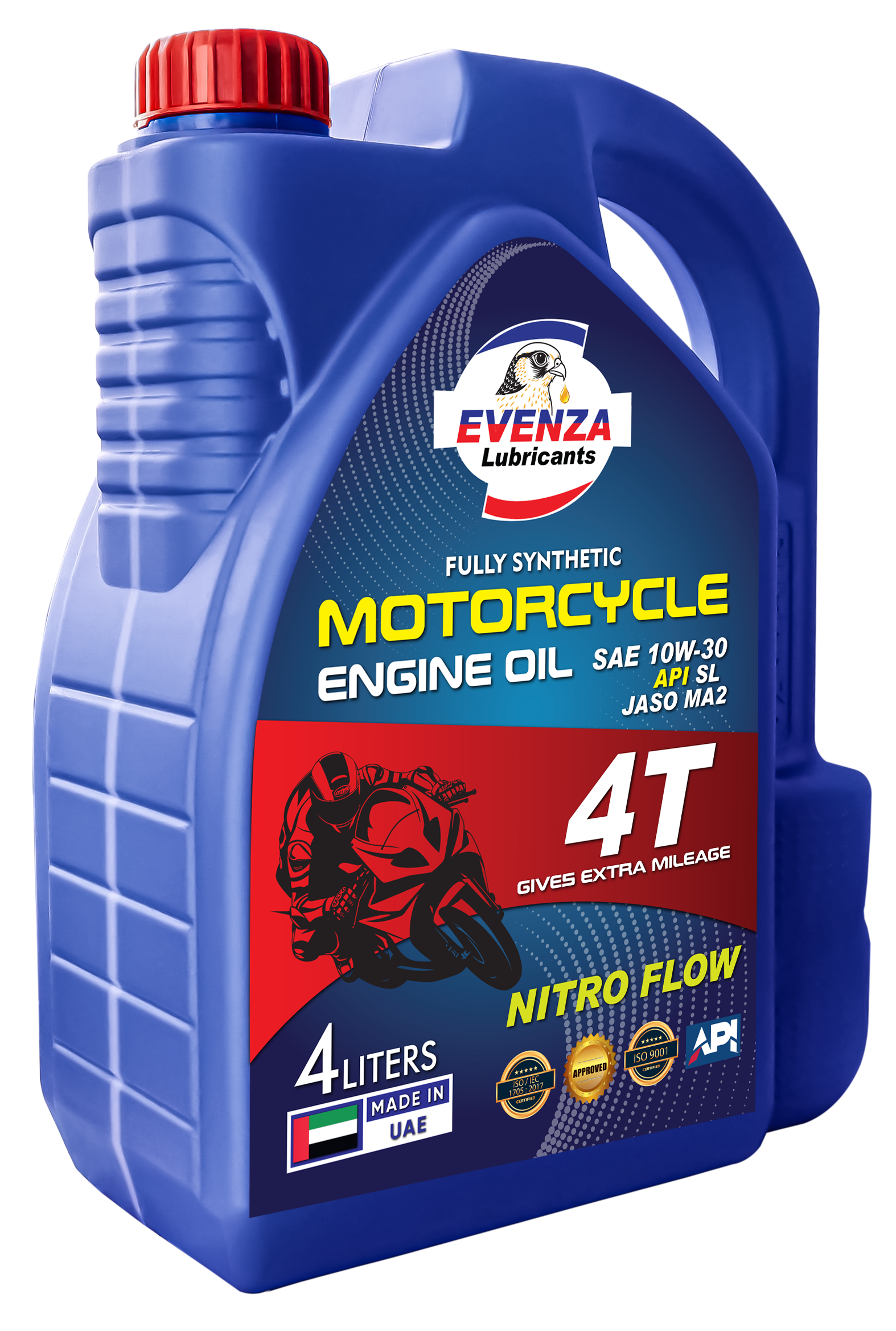
Motorcycles (some 4-stroke engines): Only if manufacturer specifies 10W‑30 (check wet-clutch compatibility).
Small commercial vehicles: Light-duty vans and pickups.
Available Packaging
1L
4L
5L
20L
200L
Technical Specifications
Viscosity Index: ~130–140
Flash Point: ~210–225 °C°C
Density at 15°C: ~0.870–0.880 g/cm³ kg/L
Pour Point: ~‑30 °C°C
API Classification: SP/SN
You Might Also Like
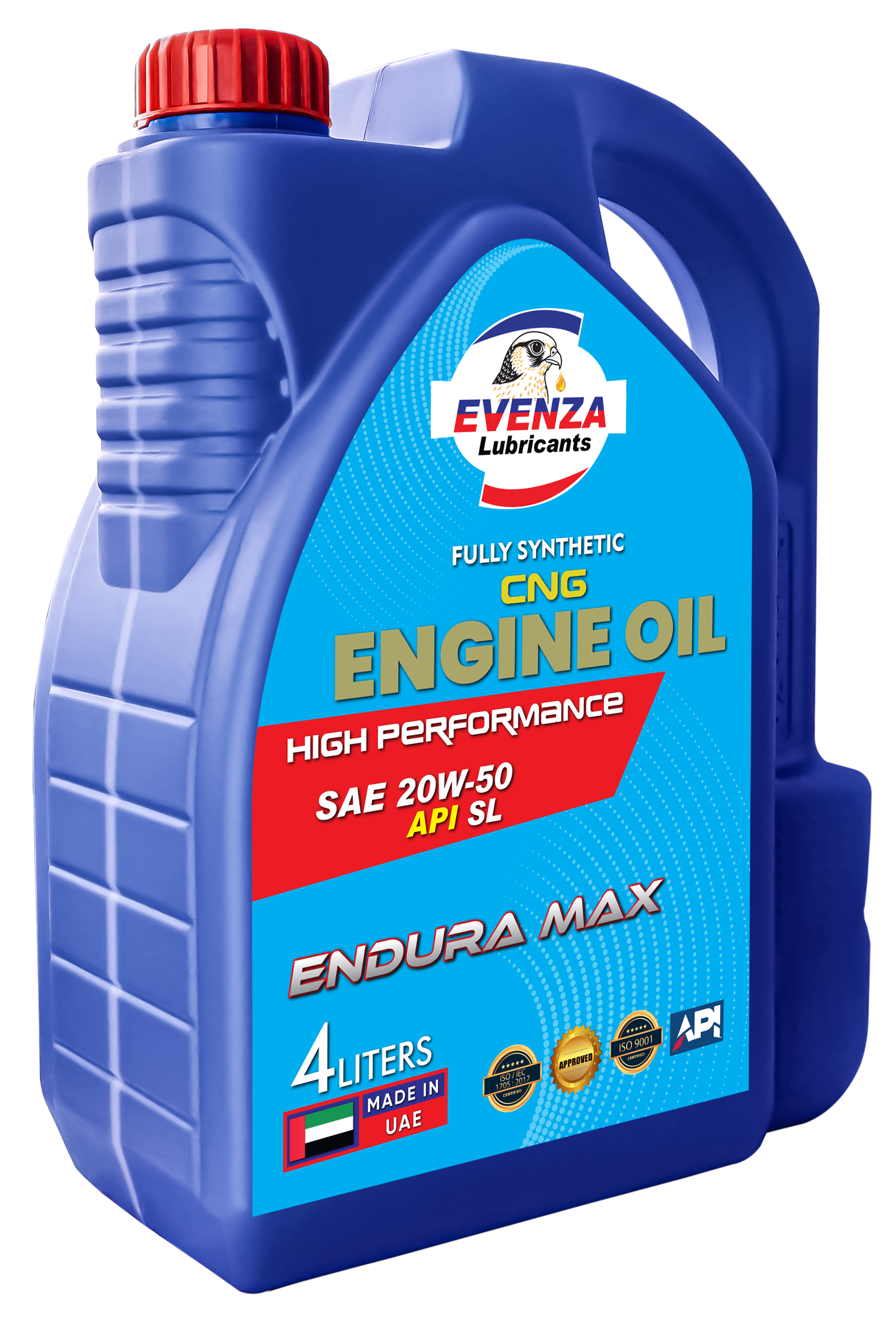
CNG Engine Oil SAE 20W-50
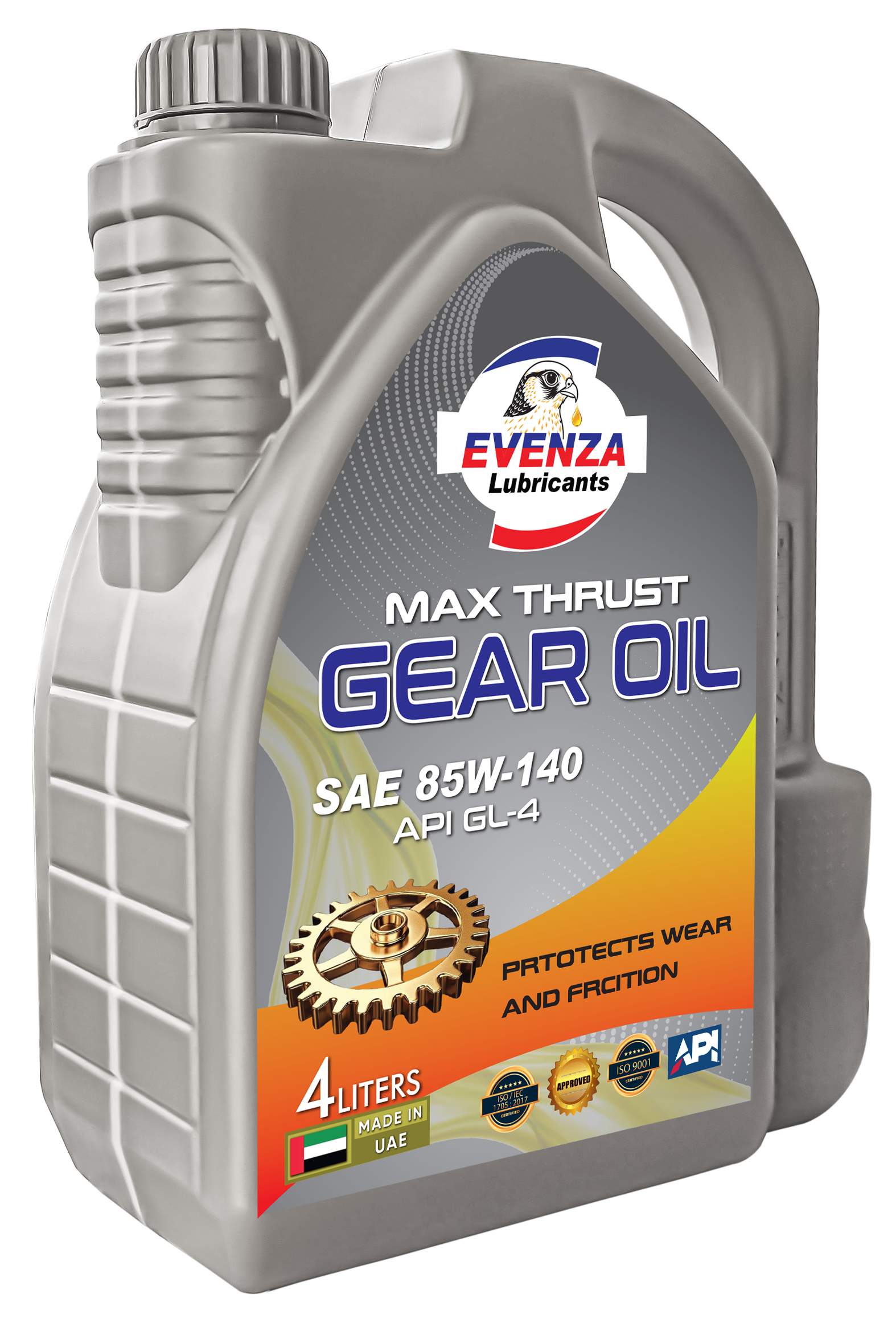
Gear Oil SAE 140
Gear Oil SAE 90